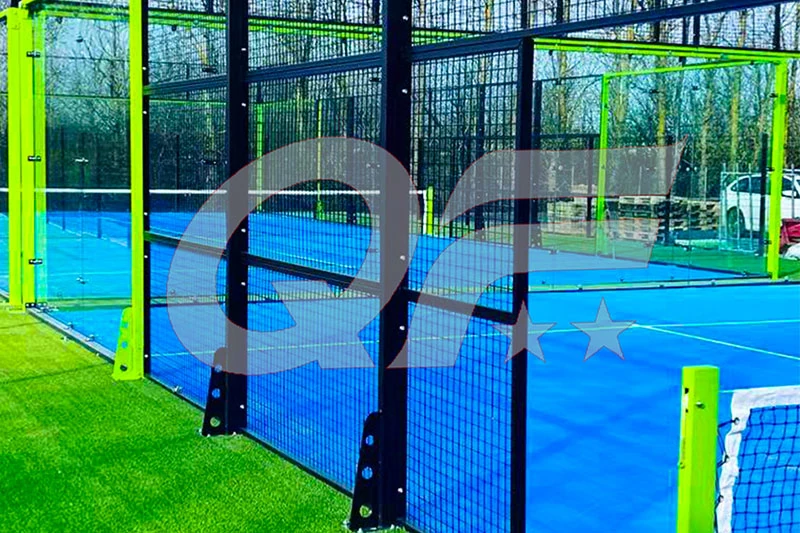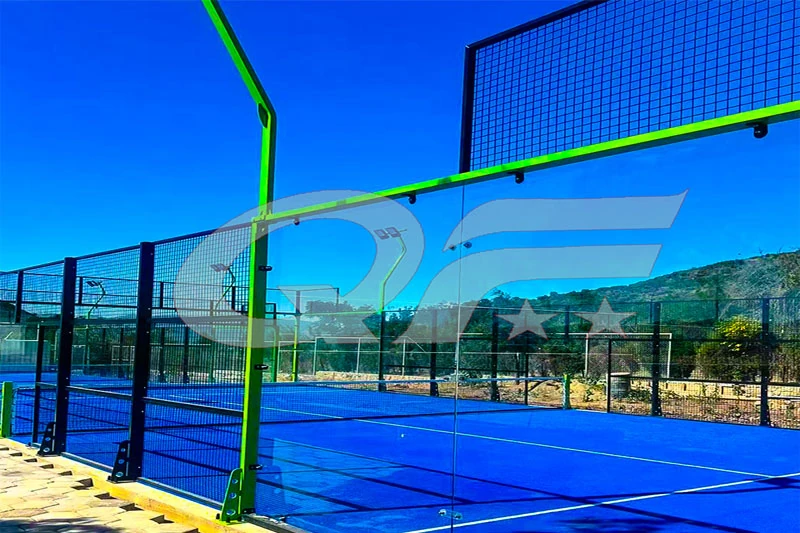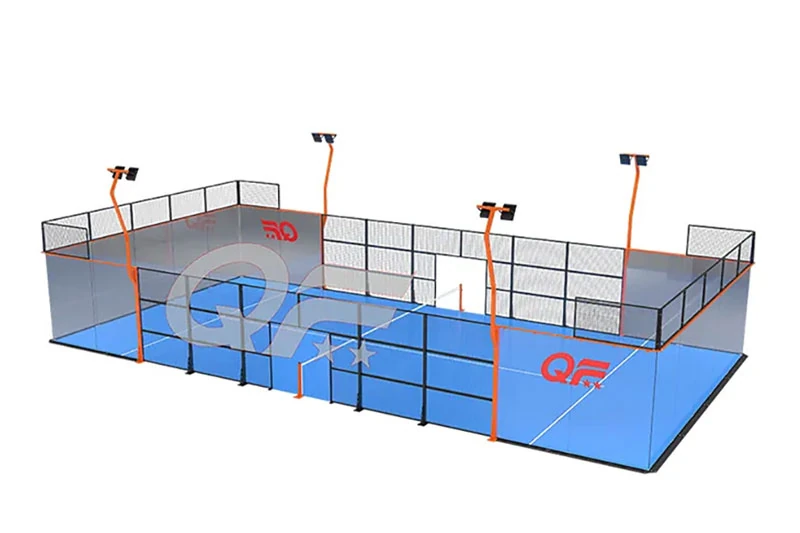
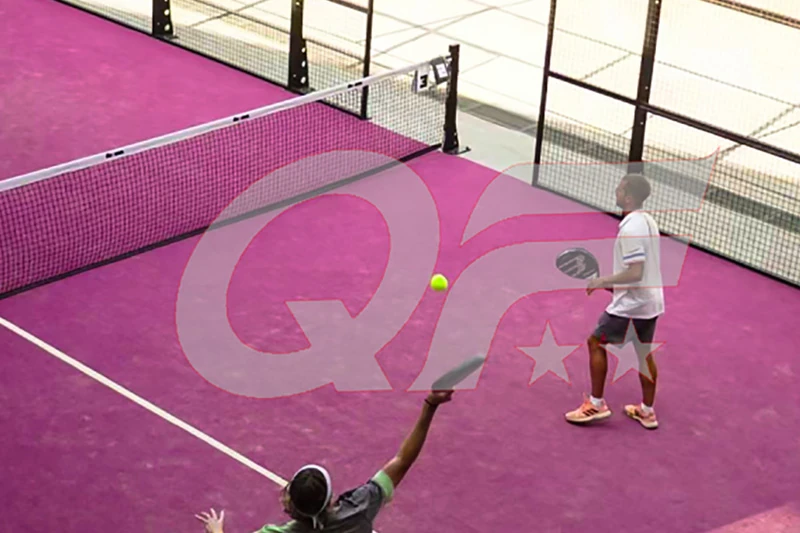
A padel court consists of several key components, including artificial turf, infill sand, tempered glass, steel structures, fencing, and lighting. For clubs, hotels, sports centers, and other commercial facilities, maintenance is about more than keeping the court clean. Regular inspections can help identify surface wear, structural issues, and damage caused by outdoor conditions before they affect normal operation.
A practical maintenance plan helps operators keep the court in good condition and address potential problems early. This guide covers padel court flooring, padel court equipment, weather protection, maintenance schedules, and material selection.
Why Is Regular Padel Court Maintenance Important?
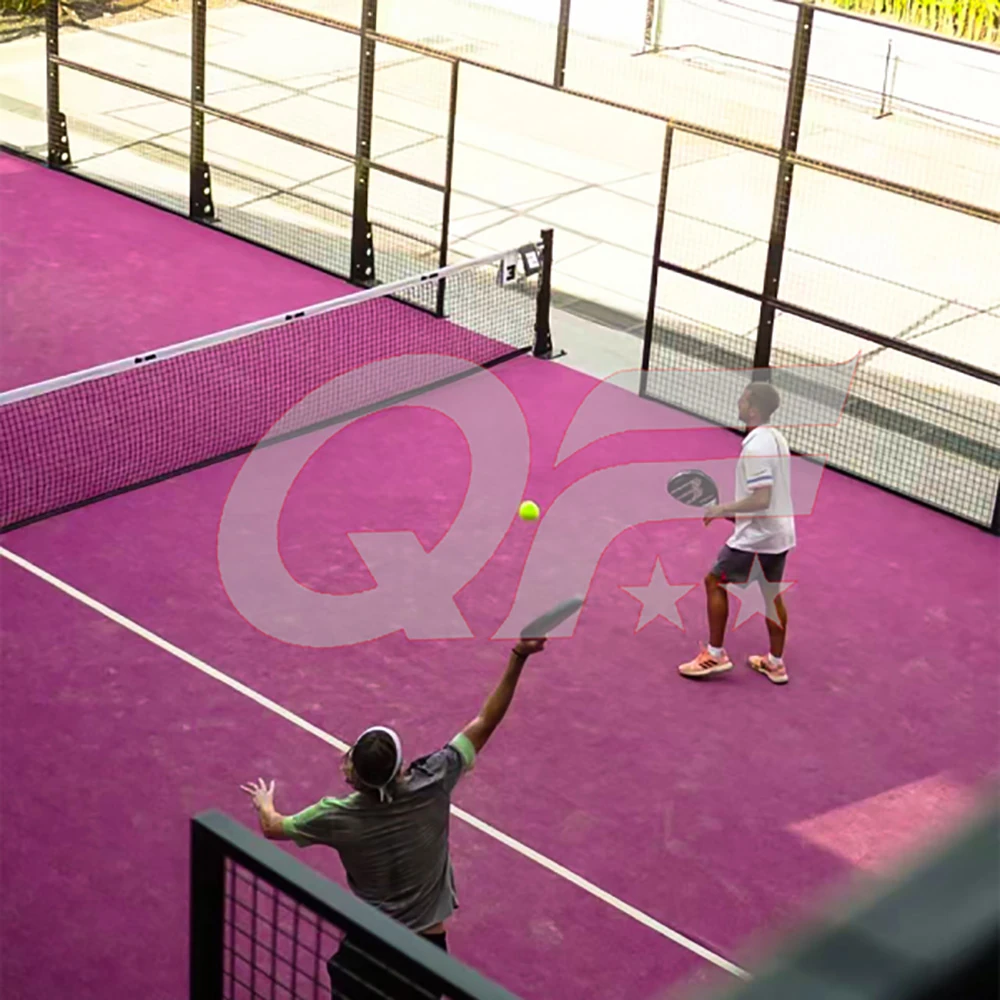
A padel court is exposed to continuous player activity, changing weather, and daily operational demands. Artificial turf can wear over time, infill sand can become uneven, and glass, fencing, structural connections, and other components may develop dirt, looseness, or damage.
The goal of maintenance is not to make the process complicated. It is mainly about regular cleaning, routine inspections, and timely repairs when problems are identified.
For commercial facilities, a scheduled maintenance routine is generally more practical than waiting until a problem affects court operation.
What Are the Most Common Padel Court Maintenance Issues?
Common issues include:
- Dust, leaves, and other debris on the artificial turf
- Uneven distribution of infill sand
- Wear in high-use areas
- Dirt, cracks, or visible damage on tempered glass
- Loose or damaged fencing, frames, or connections
- Corrosion on metal components
- Malfunctioning or dirty lighting fixtures
The appropriate maintenance frequency depends on court usage, weather conditions, and the installation environment.
How to Maintain Padel Court Flooring and the Playing Surface
Padel court flooring is one of the main areas requiring regular attention. Artificial turf and infill sand are directly exposed to player activity, so their condition should be monitored throughout the court’s operation.
Remove Dust, Leaves, and Debris Regularly
Artificial turf should be cleaned regularly, particularly on outdoor courts. Leaves, dust, and other debris can accumulate on the surface and make routine cleaning more difficult.
Use cleaning methods suitable for sports artificial turf and avoid unnecessarily disturbing the infill sand.
Check the Artificial Turf and Infill Sand
Artificial turf and infill sand should be checked together. Frequent player movement can gradually affect the distribution of infill, so operators should monitor whether certain areas show noticeably less or more sand than others.
If the infill becomes uneven, appropriate brushing or redistribution can be carried out based on the condition of the court.
Watch for Standing Water and Drainage Issues
Check the court after heavy rain for unusual standing water.
If water remains in one area for an extended period, the drainage system should be inspected rather than simply removing the water from the surface. Keeping the court free of leaves and debris can also help prevent drainage problems.
Monitor Surface Wear
Pay particular attention to high-use areas during routine inspections. Check the condition of the artificial turf, infill distribution, and any visible surface damage.
If regular cleaning and maintenance no longer resolve an issue, the condition of the surface should be assessed further.
How to Maintain Padel Court Equipment
In addition to the playing surface, padel court equipment such as glass, fencing, frames, and lighting should also be included in routine inspections.
Inspect Tempered Glass and Fencing
Tempered glass should be kept clean and checked regularly for cracks, breakage, or other visible damage.
Fencing and mesh frames should also be inspected for deformation or damage. Any significant issue should be assessed promptly to determine whether it affects safe and normal court use.
Check Posts, Frames, and Connections
Posts, frames, mesh structures, and connection points should be included in regular inspections.
For outdoor courts, pay particular attention to signs of corrosion on metal components. Loose connections should be addressed promptly.
Inspect the Lighting System
Lighting can be checked as part of routine facility inspections. Operators should confirm that fixtures are working properly and check for visible damage or contamination.
How Can Weather and Environmental Conditions Affect a Padel Court?
Outdoor padel courts are exposed to rain, wind, sunlight, and other environmental conditions. These factors should therefore be considered as part of the maintenance plan.
Pay Attention to Rain and Moisture
Inspect the court after rainfall and check whether water drains normally. If standing water persists for an unusually long time, the cause should be investigated.
During periods of frequent rainfall, operators may need to increase inspection frequency.
Monitor Long-Term Outdoor Exposure
Artificial turf, steel structures, and other outdoor components are continuously exposed to environmental conditions.
Routine inspections should look for visible changes, corrosion, wear, or damage so that maintenance can be carried out before a minor issue develops into a larger repair.
Consider Padel Court Covers Where Appropriate
In some environments, padel court covers can provide an additional layer of protection from weather and outdoor exposure.
However, a cover does not replace routine cleaning, drainage checks, or structural inspections. Whether a cover is appropriate depends on the court design and the local operating environment.
Recommended Padel Court Maintenance Schedule
The right maintenance schedule depends on court usage, weather, and operating conditions. A basic maintenance framework can include the following:
Daily and Weekly Maintenance
Focus on cleaning and identifying visible problems:
- Remove leaves, dust, and other debris
- Check high-use areas
- Observe the distribution of infill sand
- Look for visible damage
Commercial courts with heavy usage may require more frequent checks.
Monthly Inspection
A more comprehensive monthly inspection can include:
- Artificial turf and infill sand
- Tempered glass and fencing
- Frames and connection points
- Lighting system
- Metal components for visible corrosion or damage
Quarterly and Annual Maintenance
Over longer maintenance intervals, the overall condition of the court should be assessed to determine whether any component requires repair, replacement, or professional inspection.
The exact schedule should be adjusted according to the manufacturer’s recommendations, court usage, and installation environment.
When Should Padel Court Components Be Repaired or Replaced?
Not every problem can be solved through cleaning. Persistent wear or structural issues should be evaluated further.
Artificial Turf and Surface Wear
If the turf condition changes noticeably, infill remains uneven, or localized damage appears, the affected area should be documented and inspected.
If routine maintenance does not resolve the problem, determine whether repair or replacement is required.
Damage to Tempered Glass, Fencing, or Frames
Cracked or visibly damaged tempered glass, deformed fencing, loose structural connections, and significant corrosion on metal components all require prompt attention.
When Is Professional Inspection Necessary?
If the issue involves structural damage or the operator cannot determine whether a component remains suitable for use, professional inspection should be considered.
How Do Court Design and Materials Affect Maintenance? A Look at the Panoramic Padel Court PD04
The long-term maintenance needs of a padel court are partly determined before the court is even installed. Material selection, structural design, and the ability of the court to handle its intended environment can all influence how the facility is maintained over time.
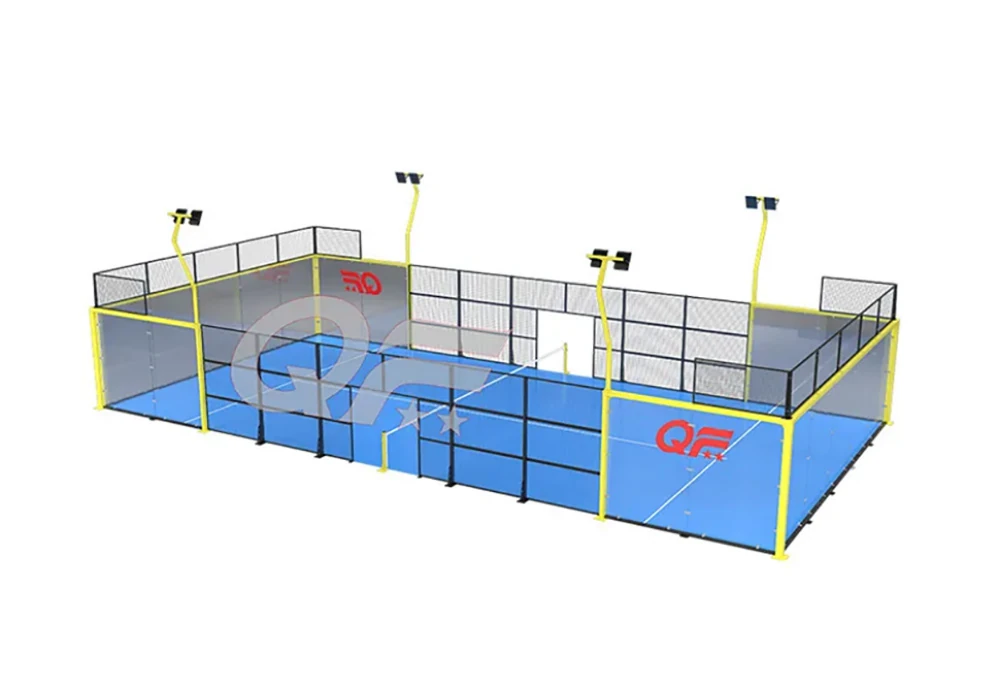
The Panoramic Padel Court PD04 brings these considerations together through its playing surface, enclosure, structural frame, and covered-court system.
Quality Artificial Turf: A Better Foundation for Long-Term Court Use
Artificial turf is one of the most important surface materials on a padel court. Quality sports turf provides a reliable foundation for regular play while supporting routine cleaning and maintenance.
The PD04 uses 12mm artificial short grass, combined with 120-mesh quartz sand at a filling rate of 5kg/m². According to the product information, the artificial turf is a premium product compliant with GB/T 20394-2013, Artificial Grass for Sports.
For commercial facilities, selecting sports turf with clearly defined specifications and relevant standards provides a more reliable basis for long-term court operation and maintenance.
Tempered Glass and Corrosion-Resistant Frame Materials
The glass and frame are exposed to both regular court use and outdoor conditions, making material selection important for long-term maintenance.
The PD04 uses 12mm explosion-proof tempered glass, with each panel measuring 2995mm × 1995mm. Tempered glass has higher mechanical strength and thermal shock resistance than ordinary glass, making it suitable for use as part of the court enclosure. Routine inspections should still check for cracks or visible damage.
The frame is available in HDG steel or aluminum. Hot-dip galvanizing provides a protective coating that helps protect steel against corrosion, while aluminum also offers good corrosion resistance. For outdoor installations, these material options can help reduce maintenance concerns related to environmental exposure.
PVDF/PTFE Membrane and Wind-Load Design for Outdoor Conditions
A covered padel court has additional environmental considerations. Wind and rain can affect the membrane and supporting structure, so the roof system should be selected according to the installation environment.
The PD04 uses a PVDF/PTFE membrane, with a customizable span of 20–30m and a specified wind-load capability of up to 120km/h.
For outdoor commercial projects, this wind-load specification gives buyers a clear reference when matching the court design to local wind conditions and installation requirements. The 20–30m customizable span also allows the covered structure to be adapted to different project layouts.
Frequently Asked Questions About Padel Court Maintenance
How often does a padel court need maintenance?
Routine cleaning and visual inspections should be carried out regularly. Artificial turf and infill sand generally require closer monitoring, while the exact schedule should be adjusted according to court usage and environmental conditions.
How do you maintain a padel court surface?
Regularly remove leaves, dust, and other debris. Check the artificial turf and infill distribution, brush the surface when necessary, and inspect the court for standing water after rainfall.
How long does a padel court surface last?
There is no single service-life figure that applies to every padel court. Actual performance depends on factors such as usage, maintenance, environmental exposure, installation quality, and materials.
Conclusion: Choosing a Padel Court for Long-Term Use
The long-term performance of a padel court depends not only on routine maintenance. Material quality, structural design, and environmental suitability can also affect ongoing operation and maintenance requirements. For commercial projects, buyers should therefore look beyond a single specification or the initial purchase price and consider the overall court configuration.
The Panoramic Padel Court PD04 features 12mm artificial short grass, 12mm explosion-proof tempered glass, HDG steel/aluminum frame options, and PVDF/PTFE membrane material. It supports a 20–30m customizable span and a specified wind-load capability of up to 120km/h, providing a complete panoramic padel court configuration for commercial projects.
Planning a new padel facility? Contact us to learn more about the PD04 and discuss a configuration that fits your project’s site conditions and operational needs.